Jenis-Jenis Kurma (Types of Dates): Exploring Their Cultural Significance
March 7, 2024
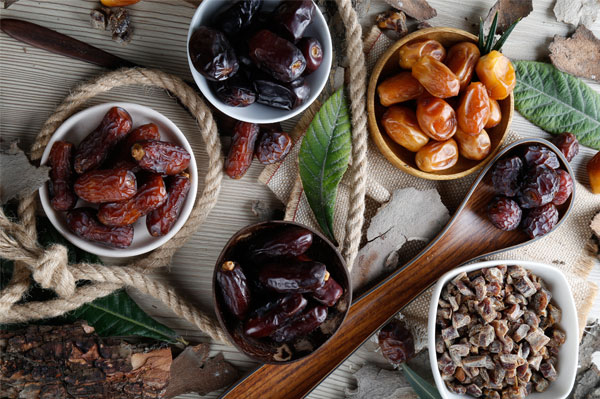
Dates, nature’s candy, have captivated taste buds and enriched cultures for millennia. The sheer diversity of date varieties, known collectively in Malay as Jenis2 Kurma, offers a spectrum of flavors, textures, and cultural significance. This blog post delves into the world of Jenis2 Kurma, exploring the various types and their unique characteristics, before embarking on a captivating journey to understand how dates feature in cultural celebrations and rituals around the world.
A Delectable Tapestry: Unveiling Jenis-Jenis Kurma (Types of Dates)
The world of dates boasts a remarkable variety, each type offering a distinct flavor profile and set of characteristics:
- Kurma Ajwa (Madina Dates): Revered for their cultural significance and intense, slightly smoky flavor, these dark brown dates hold immense importance in Islamic traditions.
- Kurma Medjool (King of Dates): Known for their large size, luxurious texture, and rich sweetness with hints of honey and caramel, Medjool dates are a true indulgence.
- Deglet Noor: These golden-amber dates offer a delicate sweetness and a delightful balance between soft and slightly chewy texture.
- Barhi Dates: Characterized by their dry texture and intensely sweet flavor, Barhi dates are a popular choice for those who enjoy a concentrated sweetness.
- Khalas Dates: These medium-sized dates offer a delightful balance of sweetness and a hint of caramel, with a soft and slightly sticky texture.
This is just a glimpse into the vast array of dates varieties available. Each variety possesses unique characteristics, catering to different taste preferences and cultural uses.
Beyond Sweetness: How Dates Feature in Cultural Celebrations and Rituals
Dates transcend their deliciousness to hold a special place in various cultures, often woven into the fabric of celebrations and rituals:
- Islam: Dates hold immense significance in Islamic traditions. Muslims traditionally break their fast during Ramadan with dates and water, a practice believed to have been followed by Prophet Muhammad himself. Dates are also offered to guests as a symbol of welcome and respect.
- Judaism: Dates are mentioned in the Torah and hold symbolic meaning during the celebration of Rosh Hashanah, the Jewish New Year. They represent sweetness and hope for a good year ahead.
- Christianity: In some Christian traditions, dates are associated with symbols of Christ and the Virgin Mary. They may be incorporated into religious celebrations and rituals.
- Hinduism: Dates are offered to deities in Hindu rituals and are considered to be auspicious offerings. They are also believed to bring good luck and prosperity.
- Ancient Egypt: Dates were considered a sacred fruit in ancient Egypt and were used in religious ceremonies and offerings. They were also valued for their medicinal properties and used in traditional remedies.
These are just a few examples of the diverse and fascinating ways dates are incorporated into cultural practices. They highlight the deep connection these delectable fruits have with various communities and traditions, serving as a symbol of hospitality, auspiciousness, and blessings.
Conclusion: A Journey Beyond the Date Palm
Exploring Jenis2 Kurma (types of dates) and delving into their cultural significance offer a deeper appreciation for the multifaceted nature of these versatile fruits. From their inherent sweetness and diverse flavor profiles to their symbolic meaning in various cultures, dates weave a unique tapestry across the world. So, the next time you savor a date, take a moment to consider the rich history and cultural significance it may hold, and embark on a delightful journey beyond the taste bud.
Key Highlights:
- Jenis2 Kurma (types of dates) encompass a vast array of varieties, each offering unique characteristics and flavor profiles.
- Dates hold immense significance in various cultures and religions, often featuring in celebrations and rituals as symbols of hospitality, auspiciousness, and blessings.
- From breaking fast during Ramadan to symbolizing sweetness and hope in various traditions, dates offer a glimpse into the diverse tapestry of cultural and religious beliefs.