
Dates have long been a symbol of nourishment, tradition, and cultural heritage across the Middle East and beyond. Today, Kedai kurma — shops dedicated to selling dates — are thriving as demand for this ancient fruit continues to grow globally. Consumers are increasingly drawn to dates not only for their rich flavor but also for their nutritional value and versatility in modern diets. Whether it’s premium varieties or everyday options like kurma murah and specialty selections such as kurma bertangkai, these shops play a vital role in connecting tradition with contemporary health trends.
The Rise of Kedai Kurma in Modern Markets
Kedai kurma has evolved from small local stalls into modern retail outlets and online platforms. These shops cater to diverse consumer needs, offering everything from fresh dates to processed products like syrups, pastes, and energy bars.
Traditional Roots
Historically, dates were sold in open markets, often displayed in baskets or hung in clusters. This traditional approach emphasized freshness and authenticity, values that Kedai kurma still uphold today.
Modern Retail Expansion
With globalization and rising health awareness, Kedai kurma has expanded into supermarkets, specialty stores, and online marketplaces. This evolution ensures that consumers worldwide can access high-quality dates with ease.
Nutritional Benefits of Dates
Dates are celebrated for their dense nutritional profile, making them a staple in health-conscious diets.
Rich in Natural Sugars
Dates provide glucose, fructose, and sucrose, offering a quick energy boost. Unlike refined sugar, they deliver sweetness alongside essential nutrients.
High Fiber Content
The fiber in dates supports digestion, regulates blood sugar, and promotes satiety, making them ideal for weight management.
Packed with Minerals and Antioxidants
Dates contain potassium, magnesium, and iron, along with antioxidants that combat inflammation and support overall health.
Popular Varieties in Kedai Kurma
Kedai kurma offers a wide range of date varieties, each with unique flavors and textures.
Premium Dates
Varieties like Ajwa, Medjool, and Deglet Noor are prized for their sweetness and softness. These are often marketed as luxury options in Kedai kurma.
Everyday Options
Kurma murah represents affordable varieties that still deliver excellent taste and nutrition. These are popular among families and bulk buyers.
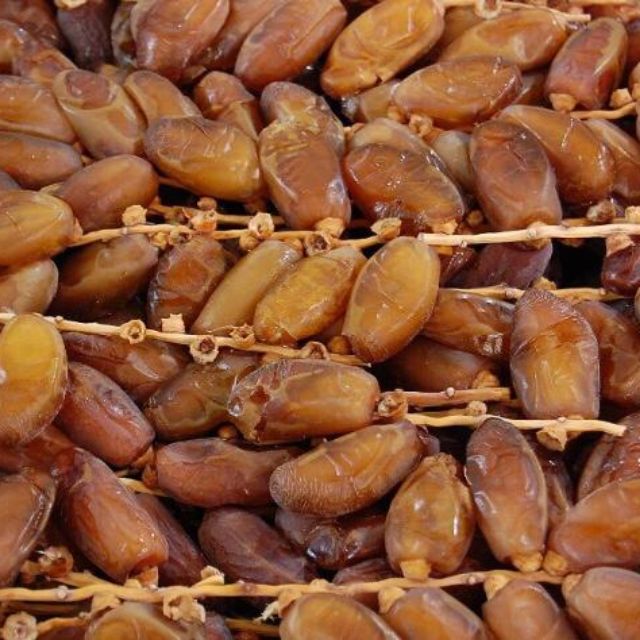
Specialty Dates
Kurma bertangkai, dates sold in clusters attached to their stems, are valued for their traditional presentation and freshness. They are often gifted during festive seasons.
Dates in Modern Diets
The versatility of dates has made them a staple in modern health foods and snacks.
Energy Bars and Protein Snacks
Dates are a key ingredient in energy bars, providing natural sweetness and sustained energy.
Smoothies and Shakes
Blended into smoothies, dates add flavor, thickness, and nutrition, making them a favorite among fitness enthusiasts.
Vegan and Gluten-Free Baking
Dates replace refined sugar in cakes, muffins, and cookies, offering both sweetness and moisture.
The Role of Kedai Kurma in Promoting Healthy Living
Kedai kurma is more than just a shop; it is a hub for promoting wellness and tradition.
Educating Consumers
Many Kedai kurma provide information about the health benefits of dates, encouraging consumers to make informed choices.
Supporting Local Farmers
By sourcing directly from growers, Kedai kurma helps sustain farming communities and preserve traditional cultivation practices.
Expanding Global Reach
Through online platforms, Kedai kurma connects international consumers to authentic date varieties, bridging cultural gaps.
Challenges Faced by Kedai Kurma
Despite their success, Kedai kurma faces challenges in meeting modern demands.
Supply Chain Issues
Seasonal harvests and climate change affect availability, requiring careful management of supply chains.
Market Competition
Dates compete with other natural sweeteners like honey and maple syrup, pushing Kedai kurma to innovate.
Consumer Awareness
Educating consumers about the differences between varieties and their nutritional benefits remains a challenge.
Innovations in Kedai Kurma
To stay relevant, Kedai kurma is embracing innovation.
Packaging and Branding
Modern packaging ensures freshness and appeals to health-conscious consumers. Attractive branding highlights the cultural heritage of dates.
Product Diversification
Beyond whole dates, Kedai kurma offers syrups, spreads, and ready-to-eat snacks, catering to diverse preferences.
Online Sales
Kurma ajwa and other premium varieties are now available through online platforms, making it easier for consumers to access them globally.
Cultural Significance of Dates
Dates hold deep cultural and religious importance, especially in Islamic traditions.
Ramadan and Festive Occasions
Dates are consumed to break fast during Ramadan, symbolizing nourishment and gratitude. Kedai kurma plays a central role in supplying these fruits during festive seasons.
Symbol of Hospitality
Offering dates to guests is a gesture of hospitality in many cultures, reinforcing their social significance.
The Future of Kedai Kurma
The future of Kedai kurma looks promising as demand for natural, healthy foods continues to rise.
Sustainability Practices
Shops are adopting eco-friendly packaging and supporting sustainable farming to appeal to conscious consumers.
Global Expansion
With growing interest in superfoods, Kedai kurma is poised to expand further into international markets.
Integration with Modern Diet Trends
As plant-based diets gain popularity, dates will continue to be a key ingredient, ensuring Kedai kurma remains relevant.
Conclusion
Kedai kurma represents the perfect blend of tradition and modernity. By offering diverse varieties, from affordable kurma murah to specialty kurma bertangkai, these shops cater to a wide range of consumers. Their role in promoting health, supporting farmers, and preserving cultural heritage makes them indispensable in today’s food landscape. As innovation and global demand grow, Kedai kurma will continue to thrive, ensuring that dates remain a cherished fruit for generations to come.